Eyelid Surgery (Blepharoplasty)

With cosmetic eyelid surgery, you can reduce signs of aging and fatigue around the eyes for a more youthful, refreshed appearance.

Request Appointment

Droopy Eyelids Got You Down?

As we age, the delicate skin around our eyes and forehead often loses elasticity, leading to sagging eyelids. These changes can make you appear tired, sad, or older than you feel. They can also impact your vision, causing eye strain and daily discomfort.

Vantage Eye Centers throughout the Monterey & Salinas areas offer a variety of cosmetic facial enhancement treatments from one of the top oculoplastic surgeons in Arizona. With eyelid surgery, our oculofacial plastic surgeons can help you attain your goals with beautiful, natural-looking results.

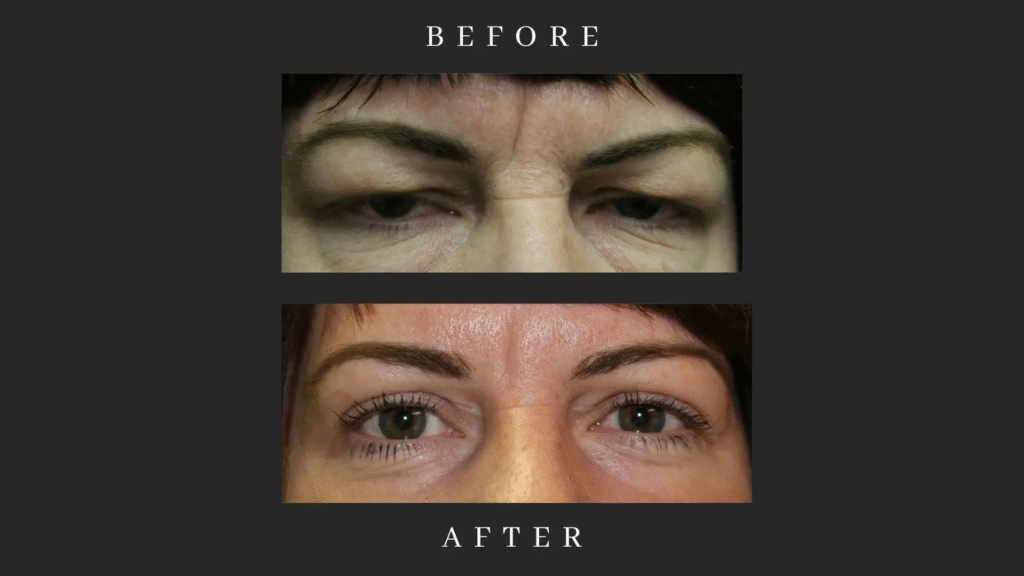
What Is Blepharoplasty?

Eyelid surgery, also known as a lid lift or blepharoplasty, is a minor surgical procedure to tighten the skin on your eyelids.

Many people pursue eyelid surgery for cosmetic reasons. In addition, blepharoplasty can correct ptosis, which occurs when the upper lids become so loose or droopy that they cover the position of your eyes, even when open. This can limit your field of vision, making it difficult to perform daily tasks such as reading and driving.

Depending on your needs, you may choose surgery on the upper lids, lower lids, or both. An upper lid lift removes excess skin to raise hooded or droopy eyelids, while lower lid surgery can reduce the appearance of bags under your eyes and tighten loose skin.

Play Video
Before and After of Dr. Bidar's brow pexy patient.
A woman happy on the beach after eyelid surgery.

What Are the Benefits of Blepharoplasty?

Eyelid surgery gives your eyes a more open and youthful appearance. Removing excess skin from the upper lids can also improve your vision, especially if the skin interferes with your sight.

Depending on your goals for surgery, blepharoplasty can address a range of concerns by:

  • Tightening excess skin that hides the natural fold of the upper lids.
  • Correcting any asymmetry that makes the eyes look unbalanced or uneven.
  • Removing skin on the upper eyelids that interferes with vision.
  • Tightening droopiness and wrinkles in the lower eyelids.
  • Correcting circles and puffiness underneath the eyes.
  • Reducing eye strain by making it easier to keep your eyes fully open, especially when reading or driving.
  • Providing a natural, subtle, refreshed result without looking “overdone.”

Who Should Consider Blepharoplasty?

Blepharoplasty is an effective procedure for most people. You can undergo eyelid surgery no matter your age or the natural shape of your eyes.

Ideal candidates for eyelid surgery are nonsmokers in good health with no underlying conditions that could impair healing. If you have certain eye conditions, such as severe dry eye, glaucoma, or a history of retinal detachment, you may not be a good candidate for blepharoplasty.

Your surgeon will ask about your medical history and any medications you are taking to ensure that eyelid surgery is safe for you. In addition, they may have you complete a noninvasive exam to assess your vision. This will help them understand any vision issues you are having due to excess eyelid skin.

Your surgeon will also discuss your goals for surgery and what results you can expect. Blepharoplasty only treats the upper or lower eyelids and won’t tighten the surrounding skin.

You may also want to consider additional cosmetic procedures, such as a brow pexy, to achieve the look you want.

can I have LASIK twice woman smiling outdoors

Request a Consultation

To learn more about the new treatments and procedures being offered at Vantage Eye Center, request a consultation online.

What to Expect During Blepharoplasty

Blepharoplasty is an outpatient procedure that we perform in our offices. You will be able to go home after the procedure is finished. Your doctor will give you pre-procedure information, including instructions about pausing or delaying doses of any medications you normally take. Your doctor may ask you to refrain from eating after a certain time the night before your appointment.

You should arrange to have a friend or loved one drive you to and from your appointment. Arrive on time to check in and complete any necessary paperwork. Once that’s done, your doctor will administer anesthesia. You’ll get local anesthetics to numb the treatment area so you won’t feel any discomfort. You can also opt for IV sedation. This will help you relax during the procedure.

Upper Eyelid Surgery

If you are having upper eyelid surgery, your surgeon will make an incision along the fold of your lid. They will carefully remove a small section of excess skin and fat. They will then stitch the edges of the incision together, which will make the lid look tighter and your eyes look more awake.

Lower Eyelid Surgery

If you’re having lower eyelid surgery, your surgeon places a small incision just below the eyelashes, following the natural crease of the lower lid. Through this incision, excess fat is carefully removed or repositioned, and loose skin is gently tightened to create a smoother, more refreshed appearance.

Eyelid surgery typically takes 30 to 60 minutes per eyelid. If you choose to have upper and lower blepharoplasty performed during the same visit, the procedure may take a bit longer.

After surgery, you’ll rest comfortably in our recovery area while our medical team monitors you and ensures you’re feeling well. Before you go home, your doctor will provide clear, step-by-step instructions for caring for your eyelids and supporting proper healing.

Our goal is to make your upper or lower eyelid surgery experience as smooth and stress-free as possible. We prioritize your comfort, take time to answer your questions, and focus on creating a calm, supportive environment from start to finish.

Recovery From Blepharoplasty

In the first few days after eyelid surgery, you may experience some discomfort and other side effects, including:

  • Swelling and bruising around your eyes
  • Pain or discomfort
  • Watery eyes
  • Light sensitivity
  • Puffy eyelids

This is all perfectly normal and should improve within a few days after surgery.

You can use ice packs or cool compresses to ease discomfort. Be sure to wrap the ice pack in a towel and don’t place it directly on your skin. You can also take over-the-counter pain medications such as ibuprofen or acetaminophen to help with pain and swelling. You should not need prescription pain medication after eyelid surgery.

You can bathe or shower after the procedure, but don’t get water or soap on your face. Refrain from using skin care products around your eyes while they are healing, and avoid any products with active ingredients or strong fragrances, as these can cause irritation that may affect the healing process.

Your doctor may give you medicated wipes to clean your eyelids or medicated ointment to help prevent infection. Use these as directed and attend all your scheduled follow-up appointments so your surgeon can ensure you’re healing properly.

Any bruising or swelling you experience should fade within about 10 to 14 days, and you’ll be able to see the results of the surgery at that time.

If you do not undergo upper and lower blepharoplasty simultaneously, consult with your doctor about the recommended waiting period before scheduling the remaining procedure.

What Is the Cost of Blepharoplasty?

The cost of eyelid surgery will depend on your specific procedure and the reasons for your surgery.

Insurance Coverage

When sagging lids affect your vision, surgery is considered medically necessary. Check with your insurance company to find out what your level of coverage is and what out-of-pocket costs you can expect.

FSA Funds

You can use money from a flexible spending account (FSA) to cover the costs of eyelid surgery if it is considered medically necessary. FSA funds may not be used for cosmetic eyelid surgery.

Financing

We work with CareCredit and Alphaeon to offer financing for eyelid surgery. Our team can explain the financing process for cosmetic eyelid surgery, or you can visit our financing page to learn more.

Vantage Eye Centers throughout the Monterey and Salinas areas offer a variety of cosmetic facial enhancement treatments from top oculoplastic surgeons. With eyelid surgery, our oculofacial plastic surgeons can help you attain your goals with beautiful, natural-looking results.​

  1. Am I a good candidate for upper, lower, or combined blepharoplasty?
  2. What anesthesia will be used?
  3. What results can I realistically expect?
  4. What is the recovery timeline?
  5. What risks apply to my situation?-
  6. How will you handle complications if they arise?

As with any surgery, risks include infection, bleeding, scarring, dry or irritated eyes, difficulty closing the eyes, temporary blurred vision, and complications related to anesthesia. Your surgeon will discuss specific risks with you before surgery.

Initial improvements are visible once swelling and bruising begin to subside, often within the first 1–2 weeks. Final results continue to develop as healing progresses over several months.

Non-surgical treatments, such as laser skin resurfacing, injectables, or fillers, may improve mild skin laxity and texture. Still, they generally cannot achieve the same lifting and correction of excess skin and fat that surgical blepharoplasty provides.

Yes, upper and lower blepharoplasty can help improve eyelid symmetry by tailoring the amount of skin and fat removed on each side to create a more balanced appearance.